 KNA
KNAImage Analysis
Image analysis and algorithm development around the subject and capture conditions.
Engineering Services
Image processing and computer vision for analysis, detection, and camera-based inspection.
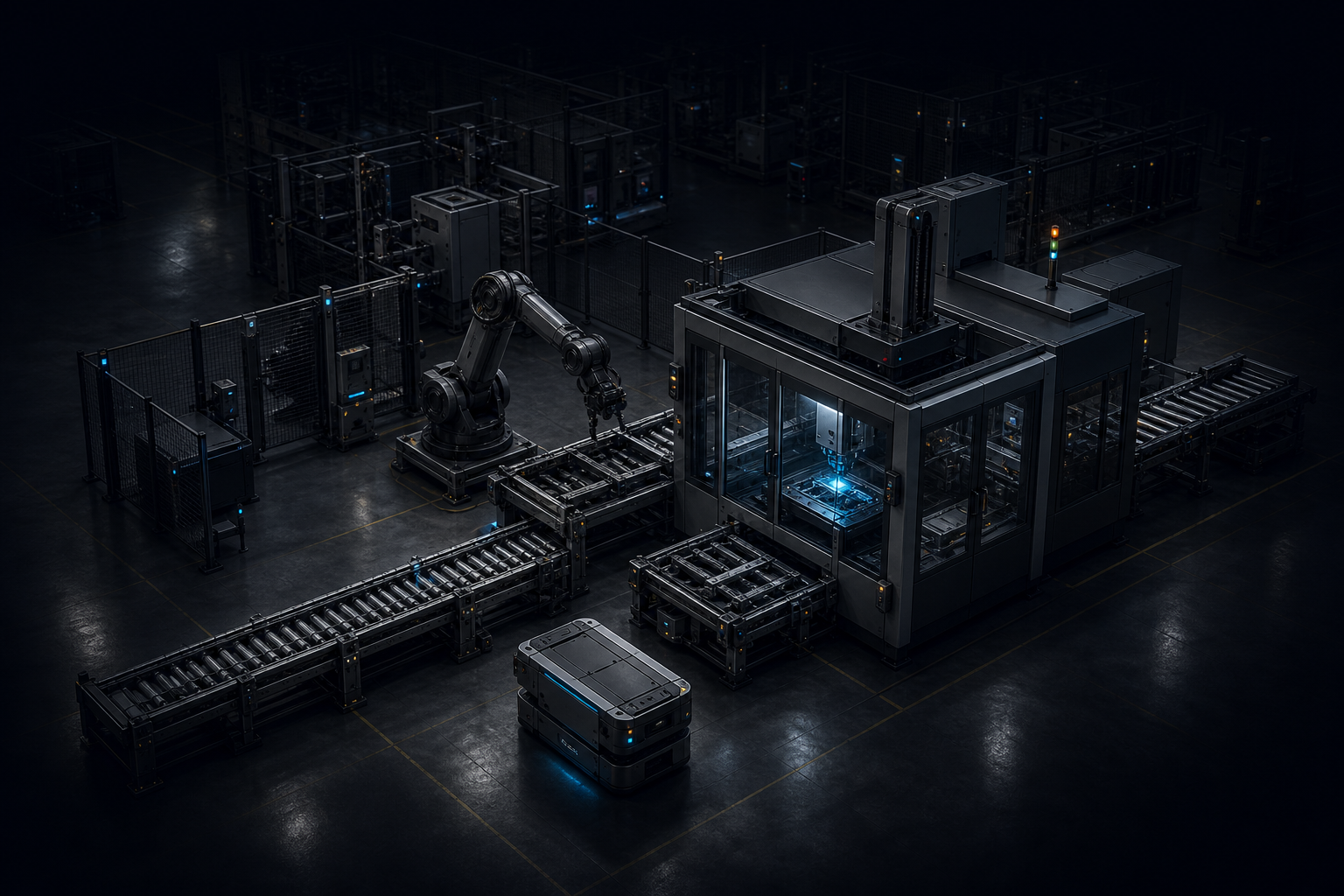
Image analysis and algorithm development around the subject and capture conditions.
Camera and image processing integration to support process or product inspection.
Assessment of data requirements and application of models suited to the system's purpose.
KNA develops image processing and computer vision to extract information from images or video. Projects start with the subject, condition variations, required decisions, and success criteria. Conventional algorithms or AI models are chosen for the problem and data; not every application needs AI.
Image quality determines what information can be processed. Cameras, lenses, lighting, distance, field of view, exposure, object motion, and mounting are designed together. Changes in light, reflections, shadows, blur, or product variation can affect results.
Area-scan, line-scan, smart cameras, thermal cameras, telecentric lenses, or frame grabbers can be considered for the application. Selection follows precision, speed, environment, cost, and integration requirements.
Stages can include enhancement, filtering, segmentation, edge detection, feature extraction, transformations, and decisions. AI models require representative samples and appropriate labels. Test data is kept separate so evaluation is not limited to examples already seen during training.
OpenCV, MATLAB, HALCON, VisionPro, NI Vision, or camera SDKs may be used according to functionality, licensing, and platform requirements. Systems can run on industrial PCs, embedded devices, or other suitable processing platforms.
Evaluation covers detection performance, false acceptance or rejection, cycle time, measurement repeatability, and robustness to changing conditions. Targets use representative samples and processes. Accuracy figures are not promised before data, methods, and test conditions are available.
Results can connect to PLCs, controllers, actuators, databases, or dashboards. Interfaces, response time, error status, and actions for uncertain results must be defined so other systems can use vision decisions.
Share good and faulty object samples, photos or video of the process, object dimensions, speed, possible camera positions, and expected decisions. Identify systems that need the results. An initial study or prototype can test feasibility before wider implementation.
3D, stereo vision, thermal inspection, and edge vision can be evaluated for specialist applications. The final scope follows test evidence, operational requirements, and available resources.
Share your requirements and goals. The quotation defines the work, deliverables, installation, training, and support included before work begins.