 KNA
KNAMachine Design
Design of machine mechanisms, layouts, and components around process requirements and operating conditions.
Engineering Services
Mechanical design, machine mechanisms, CAD models, and engineering drawings for machine development.
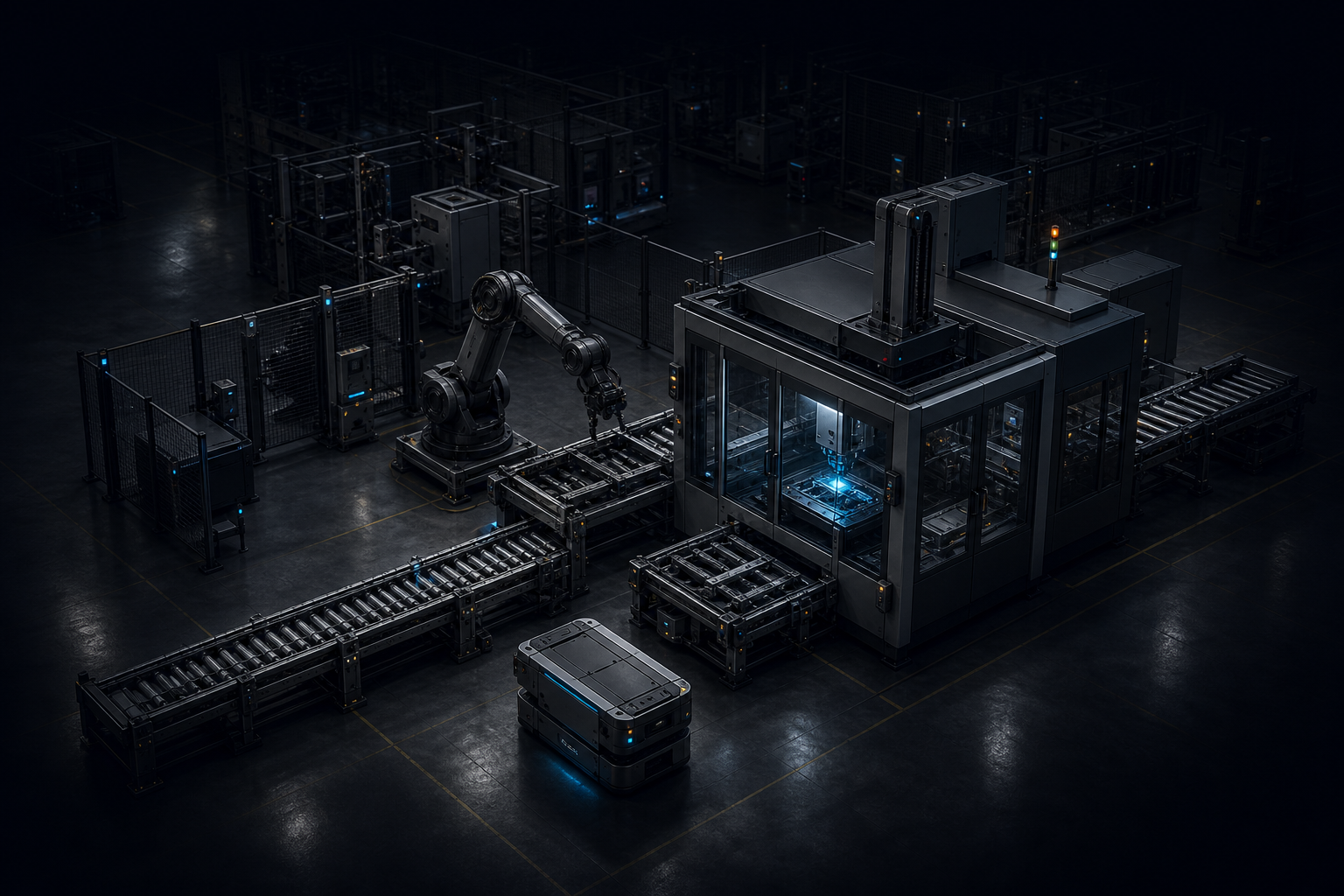
Design of machine mechanisms, layouts, and components around process requirements and operating conditions.
3D models and engineering drawings for design review, fabrication, and assembly.
Component alignment and mechanical function checks within the assembled system.
KNA designs components, mechanisms, and machines around the functions they must perform. Capacity, material characteristics, installation space, loads, operating environment, and operator tasks inform the design. Work can start with a new concept or a problem in an existing machine.
The scope may be design only or extend to prototyping, fabrication, assembly, and control integration. We agree on the work boundaries and deliverables before development starts.
Mechanism selection follows the motion, force, speed, and precision required by the process. Component interfaces are considered so the design can be assembled, operated, and maintained. Applications include manufacturing, food processing, agriculture, small businesses, laboratories, and research.
3D models and assemblies help review geometry, travel clearance, interfaces, and assembly access. Engineering drawings translate the design into dimensions and tolerances for manufacturing. Autodesk Inventor and CAD workflows are selected to suit project documentation and collaboration needs.
Load calculations, kinematics, material selection, design for manufacturing, and design for assembly are used as needed. Finite element analysis or simulation can be added to address a specific design question. Simulation results still depend on assumptions, boundary conditions, and verification against real conditions.
Design can proceed to manufacturing process selection, fabrication, component checks, and assembly. Functional testing evaluates motion, fit, and process output before refinement. For existing equipment, we can examine bottlenecks, wear, alignment, or maintenance difficulties before proposing changes.
Reverse engineering helps reconstruct design information when drawings are unavailable. Mechanical changes can also be assessed alongside motors, sensors, electrical systems, PLCs, and software so the complete system continues to serve its purpose.
Agreed deliverables may include CAD models, component and assembly drawings, material considerations, a prototype, or an assembled machine. These are not automatically included in every engagement. Precision, capacity, and acceptance criteria must be defined for the application.
To start, share the process objective, material dimensions and properties, required capacity, photos or sketches, space limits, and any existing machine documentation. Drawings, videos, and supporting files can be sent by email or WhatsApp after the project inquiry.
Share your requirements and goals. The quotation defines the work, deliverables, installation, training, and support included before work begins.