 KNA
KNAPLC & HMI
Control programming and operator interfaces based on machine sequences.
Engineering Services
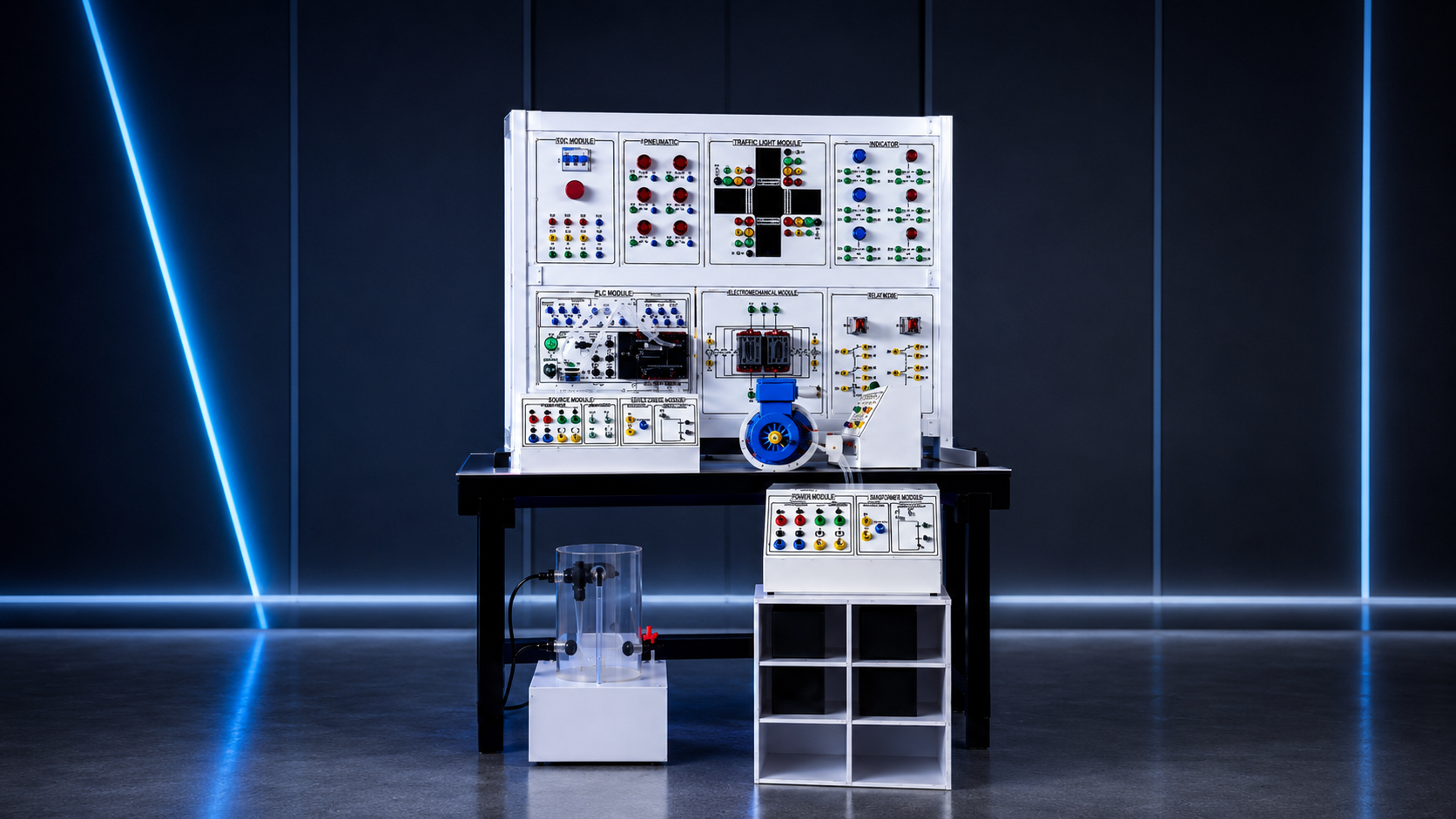
Machine and production automation through PLCs, HMIs, sensors, actuators, and control panels.
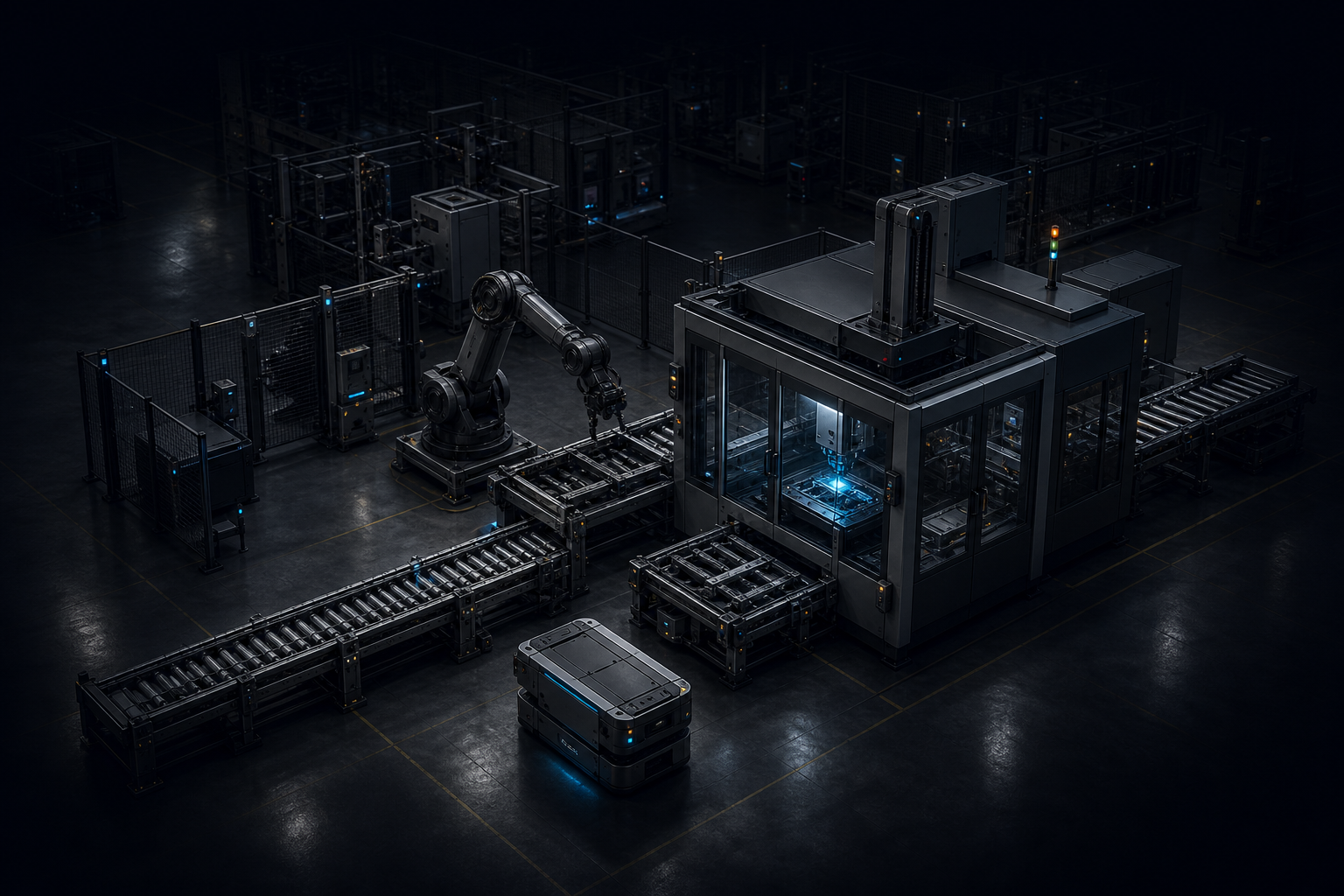
Control programming and operator interfaces based on machine sequences.
Sensors, actuators, and motors integrated to automate repetitive operations.
Control and device integration checks under agreed operating conditions.
KNA automates machines and processes by connecting controllers, sensors, actuators, motors, panels, and operator interfaces. Scope starts with repetitive tasks, consistency problems, or a clear control requirement. Systems can progress from manual to semiautomatic and automatic operation as the process allows.
Existing machines do not always need replacement. Mechanical condition, interfaces, documentation, panel capacity, and possible downtime must be reviewed before defining a retrofit.
PLC programs translate the sequence into inputs, decisions, and outputs. HMIs help operators see status, select modes, change permitted settings, and understand alarms. Operator roles and each mode's behavior must be clear before programming.
Control design must align with power distribution, terminals, protection, wiring, and field devices. Connection documentation and signal naming support installation and troubleshooting. Interfaces with other machines are defined by available signals, protocols, and response times.
RS485, Modbus, industrial networks, or IoT integration can support communication and monitoring. Production data and machine status can feed software, while essential controls must still meet machine safety and response requirements.
Testing covers I/O, manual and automatic modes, sequences, interlocks, alarms, and responses to device or communication failures. Commissioning uses the agreed equipment and conditions. Program changes, backups, documentation, and operating guidance are discussed before handover.
To start, share the process sequence, machine type, any I/O list, controller brand, panel drawings, current problems, and intended changes. The proposal follows required functions, integration, equipment, work timing, and testing methods.
Share your requirements and goals. The quotation defines the work, deliverables, installation, training, and support included before work begins.